
Why Are Global Top Competitions and Schools Choosing Blue Running Tracks? Unveiling the Scientific Advantages Behind the Selection
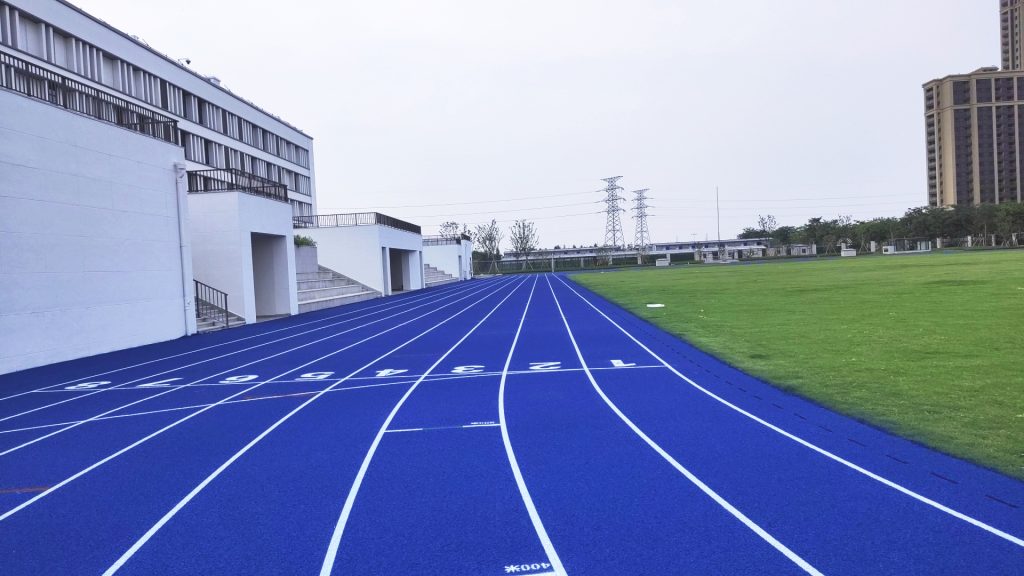
When planning sports facilities, the color of a running track may seem like an aesthetic choice, but in reality, blue tracks have become the preferred solution for professional venues and modern schools. This is not merely a trend; it is a comprehensive decision based on sports science, athlete performance, and long-term value.
Why Has Blue Become the International Standard?
Since its debut at the 2008 Beijing Olympics, blue tracks have evolved from an innovation to the signature choice for professional athletic stadiums. Numerous World Athletics-certified events have widely adopted blue as the primary color, backed by rigorous scientific research and proven practical benefits.
Four Core Advantages of Choosing Blue Tracks
1. Enhanced Visual and Athletic Performance
- Optimal Visual Contrast: The high contrast between blue tracks and white lane markings helps athletes clearly identify boundaries during high-speed competition, reducing the risk of lane deviation.
- Visual Focus Effect: Blue has a psychologically calming and focusing effect, aiding athletes in minimizing distractions and maintaining concentration, particularly in events requiring precision like sprints and hurdles.
- Broadcast Optimization: Blue provides excellent visibility on various screens, ensuring audiences can clearly track athletes’ positions and movements during live broadcasts.
2. Upgraded Athlete Safety and Comfort
- Heat Radiation Management: Compared to traditional red tracks, blue surfaces reflect more solar heat, reducing surface temperature by 2–4°C during summer training and competitions.
- Glare Reduction: Blue minimizes strong light reflection, reducing visual fatigue for athletes and spectators, making it ideal for all-day use in school facilities.
- Psychological Comfort: Blue is proven to lower anxiety levels, creating a more relaxed competitive environment for young athletes.
3. Exceptional Durability and Maintenance Economy
- Color Stability: High-quality blue tracks incorporate UV-resistant additives, ensuring vibrant color retention for years and avoiding the fading issues common with traditional red tracks.
- Stain Concealment: Blue effectively masks daily wear, stains, and marks, maintaining a clean and professional appearance.
- Long-Term Cost Efficiency: Longer color lifespan translates to lower repainting frequency and maintenance costs, providing long-term budget savings for schools and venues.
4. Aesthetic Value and Brand Image Building
- Modern Professional Image: Blue tracks convey a visual message of innovation, professionalism, and excellence, elevating the overall quality of sports facilities.
- Campus Integration: Blue harmonizes easily with green fields and campus architecture, creating a cohesive and attractive school sports landscape.
- Brand Identity Reinforcement: Many schools choose shades of blue that align with their school colors, transforming the track into a tangible representation of campus branding.
Technical Insights: More Than Just a Color Change
Modern blue tracks are not simply dyed surfaces but systematic engineering solutions:
- Multi-Layer Structural Design: Professional blue tracks utilize porous or hybrid structures to ensure outstanding shock absorption and energy return.
- Eco-Friendly Materials: Employ environmentally safe acrylic resins and prefabricated rubber granules that meet international environmental and safety standards.
- Customization Options: Available in a range of blue shades—from World Athletics-certified cobalt blue to school-specific custom tones—to meet diverse needs and standards.
Practical Guide: Is a Blue Track Right for Your Project?
Educational Institutions Should Choose Blue Tracks When:
- Seeking to modernize campus facilities
- Needing to balance professional training with daily student use
- Prioritizing long-term maintenance costs and durability
- Planning to host school-level or community events
Sports Venues Should Choose Blue Tracks When:
- Aiming to host certified competitions or high-level events
- Requiring optimized television broadcasting and spectator viewing experience
- Pursuing the highest standards in athlete performance and safety
- Desiring multi-functionality and professional recognition
Frequently Asked Questions
Q: Are blue tracks certified by World Athletics?
A: Yes, blue tracks fully comply with World Athletics certification standards. Color selection does not affect performance certification.
Q: Are blue tracks less visible on cloudy days or at night?
A: Professionally designed blue tracks with reflective lane markings maintain excellent visibility under all lighting conditions.
Q: Is there a price difference between blue and traditional red tracks?
A: Base material costs are similar. Blue tracks may have slightly higher pigment costs, but this difference is offset by their long-term value.
Q: Are blue tracks suitable for all climates?
A: Yes, modern blue track materials are specially formulated to perform in diverse climates, from extreme heat to heavy rainfall.
Taking the Next Step Toward Professionalism
Selecting a track color is a significant decision in sports facility planning. Blue tracks represent a shift from tradition to professionalism—not merely a color change, but a holistic consideration of athlete performance, safety standards, and long-term value.
Hello, I read your blogs daily. Your humoristic style is witty, keep it
up!